How do you know a water heater problem is urgent? Usually it is one of four things: active flooding, a discharging relief valve, dangerously hot water, or a gas odor. Flooding is the one that catches people off guard. A failed tank is still connected to the cold supply, so it keeps taking on water and losing it long after its own contents are gone, and the damage spreads into finished floors and lower rooms quickly. A temperature and pressure relief valve that keeps releasing water or steam is the heater signaling a safety limit has been exceeded. Scalding water points to a runaway thermostat or gas control. A gas smell is its own category and has its own first steps, covered below. Across San Diego, CA, we move each of these to the front of the line.
Right away, rule out gas. A rotten-egg odor near the heater means everyone leaves the house, nobody operates switches or appliances on the way out, and the call goes to your gas utility or 911 from a safe distance. If there is no gas smell, focus on stopping the water: close the cold supply valve at the top of the heater, or the main shutoff if the heater valve is seized. Next, cut the energy to the unit, turning a gas control to OFF or switching off the dedicated breaker on an electric model, as long as you are standing on dry ground. Leave the relief valve alone if it is discharging. Plugging it removes the final protection against a tank that is overheating. Once things are isolated, call (619) 350-6881 for help.
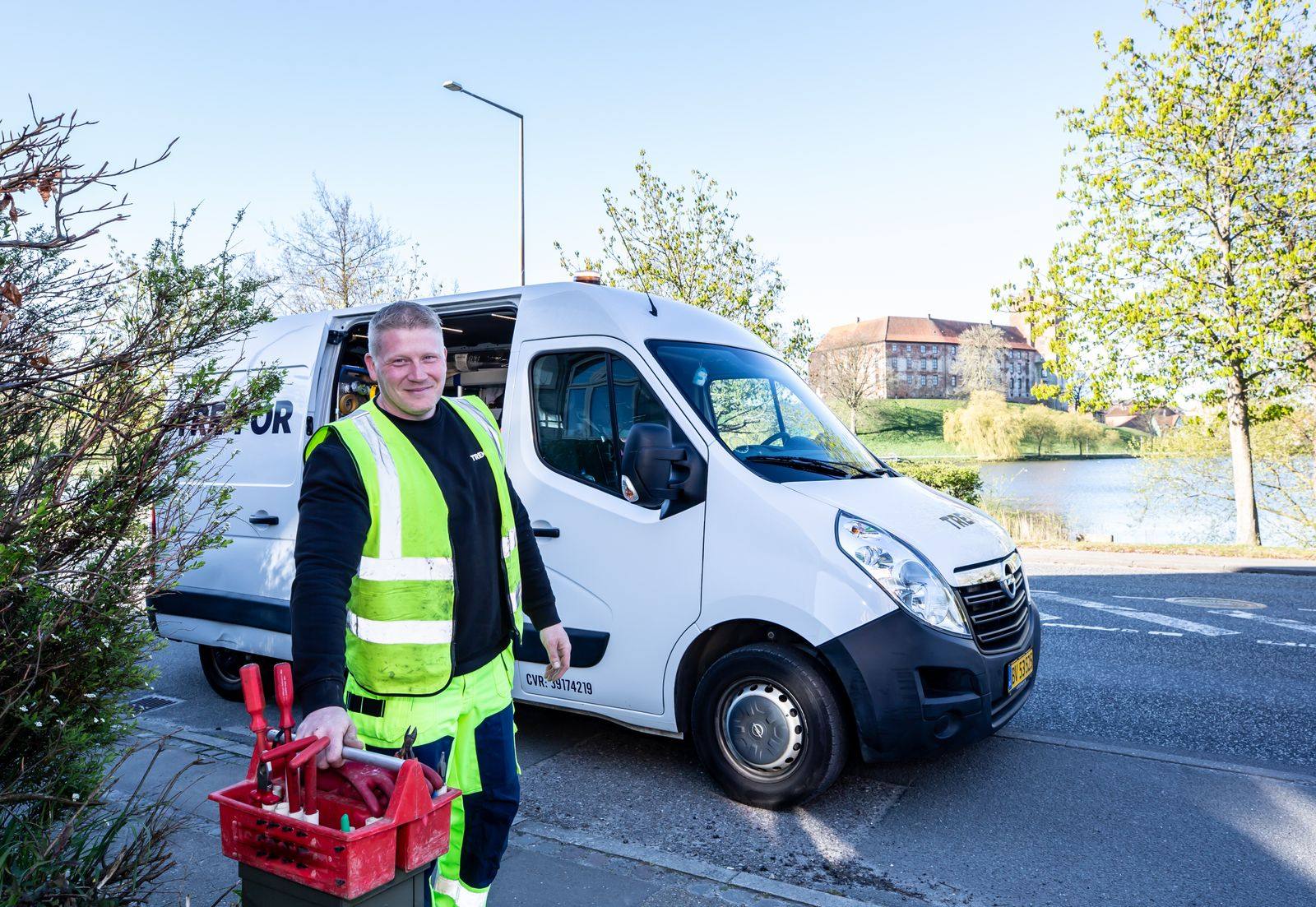
When you reach San Diego Water Heater, we start by asking what you see, hear, and smell, and we confirm the shutoffs are holding before anyone leaves the shop. We dispatch as quickly as we can and give you a realistic time frame rather than a promise we cannot keep. Our trucks carry the parts behind most urgent failures, including relief valves, thermocouples, flame sensors, heating elements, thermostats, drain valves, and supply connectors, so plenty of emergencies are fixed in a single visit. When the tank itself has failed, patching it would not be honest work, so we explain replacement options, secure the area, and get hot water back as soon as the new heater is in. For emergency water heater repair in San Diego, call (619) 350-6881.
Most of our service calls are for Water Heater Repair in San Diego. That's the place to start for most homes.
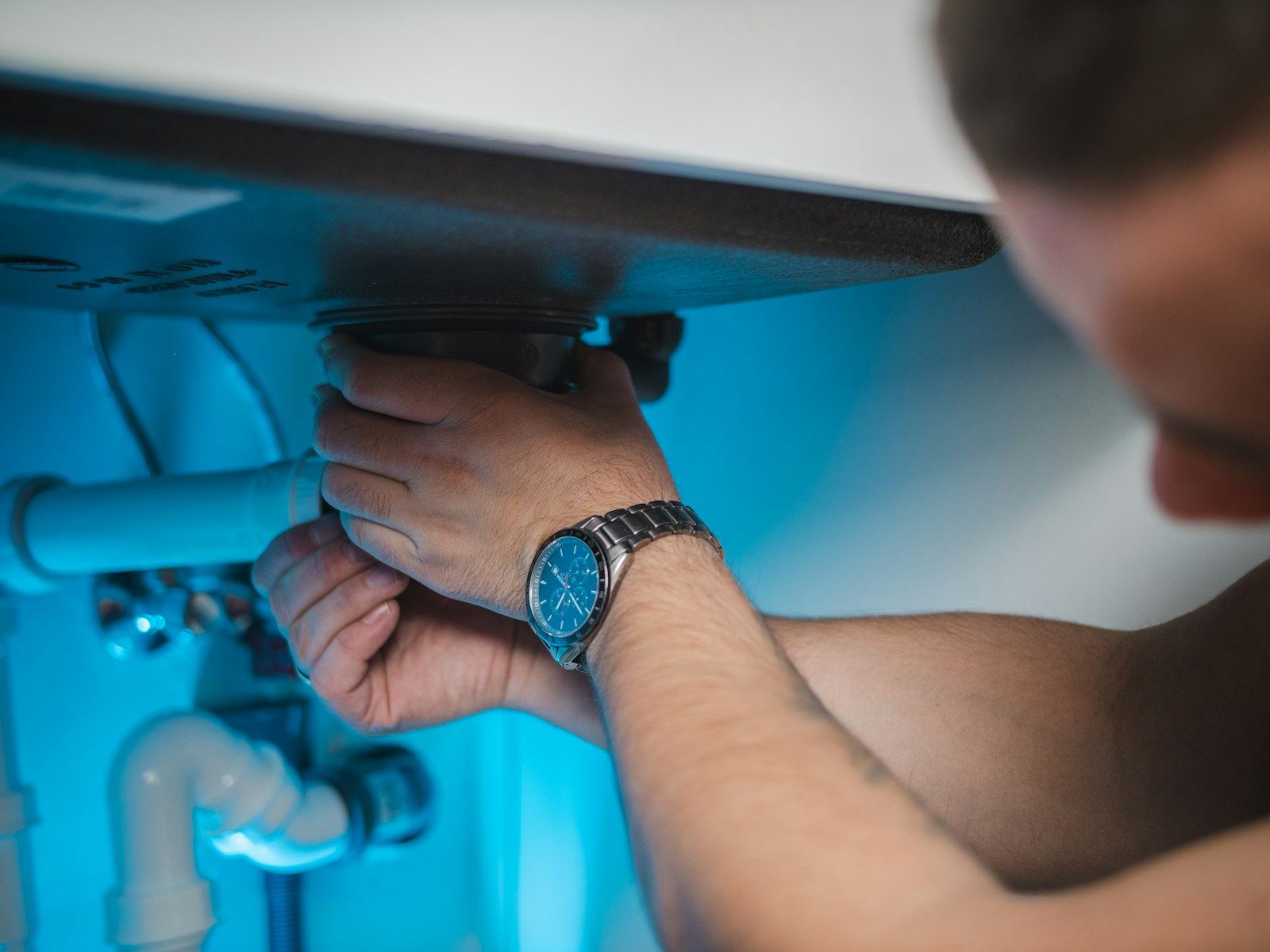
Symptoms That Mean It's Time to Call
Catching a symptom early is often the difference between a quick part swap and a tank that gives out on the garage floor. Watch for these telltale signs that professional help is needed:
- A puddle under the tank that keeps growing
- Hot water far hotter than normal, a sign of a runaway thermostat or gas control
- Signs of scorching or backdrafting around the base or top of a gas heater
- Every tap running cold and the heater showing no signs of life
- Loud popping, banging, or rumbling from the tank that has gotten worse quickly
- Any gas odor around the heater, which means getting out and calling the gas company before calling us
- The relief valve on the side of the tank dripping, hissing, or discharging
- A heater breaker that will not stay on after being reset
A Slow Leak Never Stays Slow
A worn-out anode rod, a sediment-choked tank, or a weak thermocouple rarely fixes itself, and the repair usually costs more the longer it waits. Call San Diego Water Heater at (619) 350-6881 at the first sign of trouble.
Need Help With Emergency Water Heater Repair?
We'll diagnose the problem and give you a straight answer on the fix.
Get Help: (619) 350-6881Your Emergency Water Heater Repair Questions Answered
Why Professional Emergency Water Heater Repair Matters
A water heater emergency packs several hazards into one closet or garage corner. There is water on the floor near a 240-volt circuit on electric models, or near a gas valve, burner, and flue on gas models. There is a tank holding very hot water under pressure. And there is a safety valve that, if it is discharging, has a reason for it. Homeowners sometimes try to stop the relief valve by capping it, crank on a leaking fitting until it snaps, or relight a pilot beside a gas smell, and each of those can turn a bad afternoon into a real disaster. The safest moves for a homeowner are the simple ones: leave for gas, then shut off water and energy, then call for help.
A trained technician brings the right order of operations and the right parts. Our team confirms the heater is isolated, tests for gas leaks with a detector and soap solution rather than guessing, checks household water pressure and thermal expansion when a relief valve has been discharging, and inspects the vent for proper draft before a gas unit is restarted. Just as important, we tell you honestly when a heater can be repaired and when it cannot. A leaking seam or rusted-through bottom cannot be fixed, while a failed valve, fitting, or element usually can, and the difference is often a few hundred dollars versus a new heater. You get that answer before any work begins.
Our Emergency Water Heater Repair Process
Our workflow is simple and thorough, so nothing gets missed between the fuel supply and the relief line. Here's a look at each step our team takes:
Make It Safe by Phone
The first step happens before we arrive. We rule out a gas smell with you, walk you through the water shutoff and the gas control or breaker, and help limit the spread of water.
Secure the Area
You get a straight answer on timing, not a promise we cannot keep. Once on site, we check the shutoffs, the gas or electrical supply, and the vent before touching the heater itself.
Repair or Honest Replacement
The source gets pinpointed before any part is replaced. Relief valves, drain valves, connectors, thermocouples, and elements are stocked, so most fixes happen the same visit.
Restart & Verification
Before we leave, the tank is refilled and bled of air, the burner or elements are brought back online, and we confirm dry connections, a working relief valve, and a safe 120F setting.
Prevention Tips That Actually Help
A few preventive steps can help you avoid a cold shower or a wet floor down the road. Follow these tips from our technicians:
- Leave clear space around a gas heater and never store flammable liquids nearby
- A drain pan with a proper drain line under the tank can turn a flood into a manageable puddle
- A simple water sensor on the floor beside the tank can warn you hours earlier
- Know where the heater shutoff and the main water valve are, and make sure everyone in the house does too
- Lift the relief valve lever once a year to confirm it opens and reseats, and call if it keeps dripping
- A 120F setting is safer for skin and easier on the heater than the hottest setting
- Flush sediment from the tank yearly, since buildup overheats the bottom and speeds corrosion
Should You DIY or Call a Pro?
A few tasks, like checking the temperature setting or lifting the relief valve lever to test it, are fine for homeowners, but most water heater work involves gas lines, venting, 240-volt circuits, or a tank full of scalding water, and that belongs with a professional. Consider the following comparison:
| Factor | Doing It Yourself | Professional Service |
|---|---|---|
| Gas Safety | Tempted to relight or poke around | Leak detector and soap test after the area is cleared |
| Water Control | Hunting for shutoffs while water spreads | Water stopped and drain-down done properly |
| T&P Discharge | Valve ignored or blocked off | Root cause measured and corrected |
| Electrical Hazard | Resetting breakers while the floor is wet | Power tested off and area made dry and safe |
| Finding the Cause | Replacing parts until the leak stops | Leak and failure point pinpointed |
| Result | Fix that may not hold overnight | Safe restart, verified dry and working |
Book a Visit Today
The sooner you call, the sooner the hot water is back. Reach San Diego Water Heater for fast service.
Call (619) 350-6881 NowEmergency Water Heater Repair Across the San Diego Area
We serve San Diego and its neighboring towns for emergency water heater repair, from quick same-day repairs to planned installs.